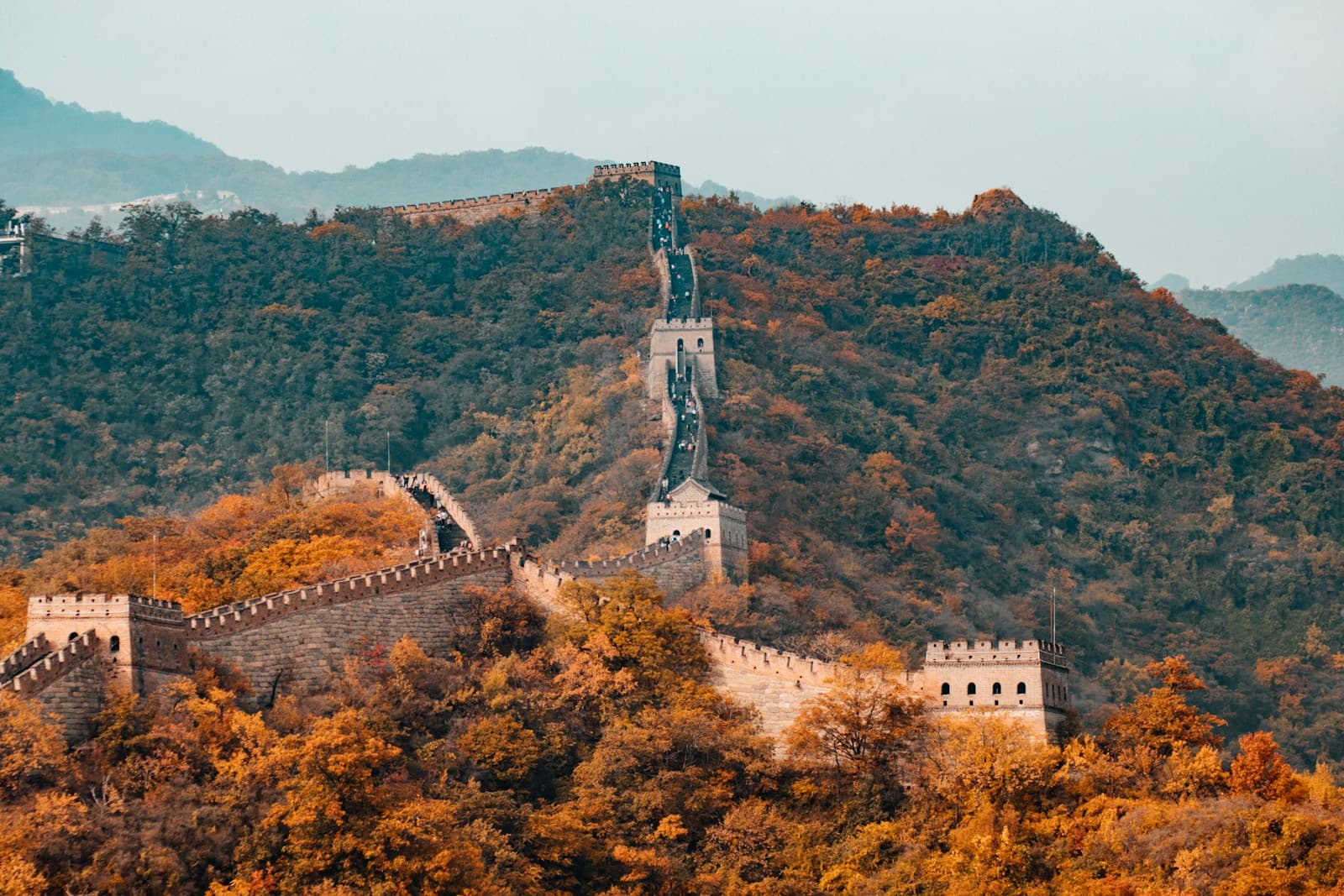
What choosing Beijing changes
Beijing is a compelling choice when your China trip centers on imperial history, monumental architecture, and places you have read about for years. The Forbidden City, Temple of Heaven, hutong lanes, and nearby Great Wall sections create a strong sense of arrival: you are not simply visiting another large capital, but stepping into several layers of Chinese history at once. The city is vast, yet its headline sights form a logical route when you group them by area and resist trying to cross town repeatedly in one day.
The trade-off is scale. Beijing rewards preparation more than spontaneity because major compounds take time to enter and explore, popular attractions may require advance reservations, and the distance between map pins can be deceptive. Four to six days gives visitors room for the historic center, one Great Wall outing, a museum or park, and a slower neighborhood experience. With that buffer, the city feels impressive rather than exhausting and becomes an effective base for high-speed rail, metro travel, mobile translation, and the rhythm of urban China.
See & do
Landmarks & experiences
Build separate days around the imperial center and the mountain-side Great Wall.
Suggested time on site. Transfers and queues are extra.
Forbidden City
Walk through the vast courtyards and ceremonial halls of the Ming and Qing emperors.
3-4 hrCityDongcheng, central BeijingMutianyu Great Wall
Follow restored ramparts and watchtowers across a wooded mountain ridge.
2-4 hrDay tripHuairou, northeast of central BeijingTemple of Heaven
See the round ceremonial halls and broad parkland of an imperial ritual complex.
1.5-2.5 hrCityDongcheng, south of the Forbidden City
Check palace entry arrangements before fixing dates; Great Wall steps are steep.
Food
Local dishes & food streets
Roast duck, wheat noodles and lamb hotpot anchor Beijing's northern cooking.
Peking roast duck
Crisp duck skin and sliced meat wrapped in thin pancakes with sauce and scallions.
Soybean-paste noodles
Wheat noodles with a rich bean-paste sauce, often minced pork, and fresh vegetables.
Copper-pot lamb hotpot
Thin lamb slices cooked in a light broth, with a sesame-based dipping sauce.
Where to eatTry Qianmen for traditional dining or Gulou for small restaurants between hutong walks.
Duck and hotpot work well as shared meals. Check sesame, soy and wheat ingredients with the restaurant.
Stay
Neighborhoods & trade-offs
| Area | Why stay here | The trade-off |
|---|---|---|
| Dongsi | A useful base for hutong walks, local meals and metro trips across the center. | Courtyard hotels may have steps and limited vehicle access; check the entrance with luggage. |
| Wangfujing | Conventional hotels and restaurants near the imperial sightseeing area. | Shopping streets are busy, and central rooms often carry a location premium. |
Transport
Arrival & getting around
- Getting in
- Capital Airport and Daxing Airport have rail links into the metro network; check your airport and onward interchange.
- Around the city
- Use the metro between districts, then walk. Palace and temple grounds can add substantial walking beyond the station exit.
- Beyond the city
- For Mutianyu, plan a separate return transfer from central Beijing by excursion bus or hired car; confirm the pickup point and return arrangement.
Transfer times are not yet verified. Check door-to-door timings for your exact airport, station or day-trip route.
Budget
Rooms, meals & transport
| Expense | What to budget for |
|---|---|
| A room for two | Wangfujing and restored courtyard hotels can raise room costs; compare ordinary hotels near Dongsi metro. |
| Meals | Noodles are a modest meal; reserve more of the food budget for a shared roast duck or lamb hotpot. |
| Local transport | Metro travel contains daily costs. Keep airport rail and a Great Wall transfer outside the local allowance. |
Based on two adults sharing a standard double room, three meals and local transport. Admission, intercity travel, airport transfers and personal spending are extra. Check hotel rates for your travel dates before setting a daily budget.
Allow separately for palace and temple tickets, Great Wall admission and any optional cableway rides.
When to go
Weather & crowds
- Jan
- Feb
- Mar
- Apr
- May
- Jun
- Jul
- Aug
- Sep
- Oct
- Nov
- Dec
April-May and September-October are useful targets for long walks and Great Wall outings.
Summer can be hot and wet; winter is cold and exposed on the Wall. Check the forecast and holiday calendar before choosing dates.
Essentials
Preparation & local advice
- English & navigation
- Beijing is one of the more manageable major cities for an English-speaking traveler, especially at the airport, on metro lines, in major hotels, and at headline attractions. English is not universal, so save each destination's Chinese name and address, keep a translation app available offline, and confirm that your preferred map and payment tools work before arrival. Restaurant communication varies: picture menus and translation help, while smaller local places may require patience. Staff at famous sites are accustomed to international visitors, but independent navigation becomes much easier when you plan the next transfer before leaving reliable Wi-Fi.
- Before you go
- Save the exact Chinese names of your airport, railway station and chosen Great Wall section; Beijing's gateways are far apart.
- On the ground
- Hutongs are residential lanes. Keep doorways clear and ask before photographing people or entering courtyards.
Make time for Beijing.
4-6 days, at your pace.
A 4-day itinerary
A 4-day Beijing itinerary
Imperial Beijing and the central axis
Begin with the historic center rather than immediately crossing the city. Pair Tiananmen Square, when it fits your confirmed access plan, with the Forbidden City and allow the palace complex to be the day's main event. Continue to Jingshan Park if energy and conditions allow; the elevated view makes the scale and alignment of the palace easier to understand. Keep the evening simple with dinner near your accommodation or a short hutong walk, because arrival day already involves distance, security procedures, and sustained attention.
Temple spaces, hutongs, and local rhythm
Visit the Temple of Heaven earlier in the day, when its park setting is part of the experience rather than merely a route to the main hall. Later, choose one hutong area for a slow walk instead of chasing several famous alleys. Look for the contrast between residential lanes, restored commercial streets, lakes, and courtyard architecture. A food-focused evening can introduce northern staples such as dumplings, noodles, or roast duck, but choose a meal that fits your budget and appetite rather than treating every well-known dish as a mandatory checklist item.
A dedicated Great Wall day
Give the Great Wall its own day. Mutianyu is a practical choice for many visitors because its visitor infrastructure supports a straightforward outing, while Jinshanling may appeal to travelers prioritizing longer ridge views and a more demanding walk. Select one section based on mobility, transport confidence, and the kind of day you want. Confirm the current access arrangements through reliable sources shortly before the visit, carry water and useful layers, and do not schedule an ambitious evening attraction after returning to Beijing.
Parks, museums, and a flexible finish
Use the fourth day for the part of Beijing that best matches your interests. The Summer Palace suits landscape, architecture, and a long outdoor walk; a major museum suits travelers who want deeper historical context; contemporary art areas offer a different view of the capital. Keep this day flexible so weather, fatigue, or a missed earlier stop can be absorbed without spoiling the trip. If you have a fifth or sixth day, slow down further rather than stacking more distant landmarks: revisit a neighborhood, take a food walk, or prepare calmly for your next rail journey.
Questions about Beijing
How many days do I need in Beijing?
Set aside 5 days: use 2 for the Forbidden City, Temple of Heaven and hutongs, 1 for Mutianyu, then keep 2 for a museum, Summer Palace or a lower-mileage recovery day.
Is Beijing English friendly?
The Capital Airport, Beijing South station and the Forbidden City have useful English wayfinding, but a 5-day independent plan still needs Chinese addresses for hutong restaurants and the Mutianyu return transfer.
Which Great Wall section is best for most travelers?
Give Mutianyu 1 full day from central Beijing; its shuttle, cable-car choices and restored wall make the logistics clearer than a loosely planned remote section, although official ticket and transport details still need checking.
Where is the best area to stay in Beijing?
For a 5-day first route, Dongcheng keeps the Forbidden City, Jingshan and hutong evenings close; stay near a Line 5 or Line 8 station rather than beside the wall of a single sight.
Sources & editorial notes
- UNESCO: Imperial Palaces of the Ming and Qing Dynasties
Forbidden City's Ming and Qing heritage, central location and courtyard layout; not ticketing, other sights or trip costs. Checked 2026-08-31.
- ChinaTravel.tools editorial city dataset
Maintained editorial scoring and practical city-planning notes for travelers.
- Beijing Municipal Government — transportation for visitors
Official airport, railway, subway, bus and taxi navigation used to check Beijing route friction.