What choosing Chengdu changes
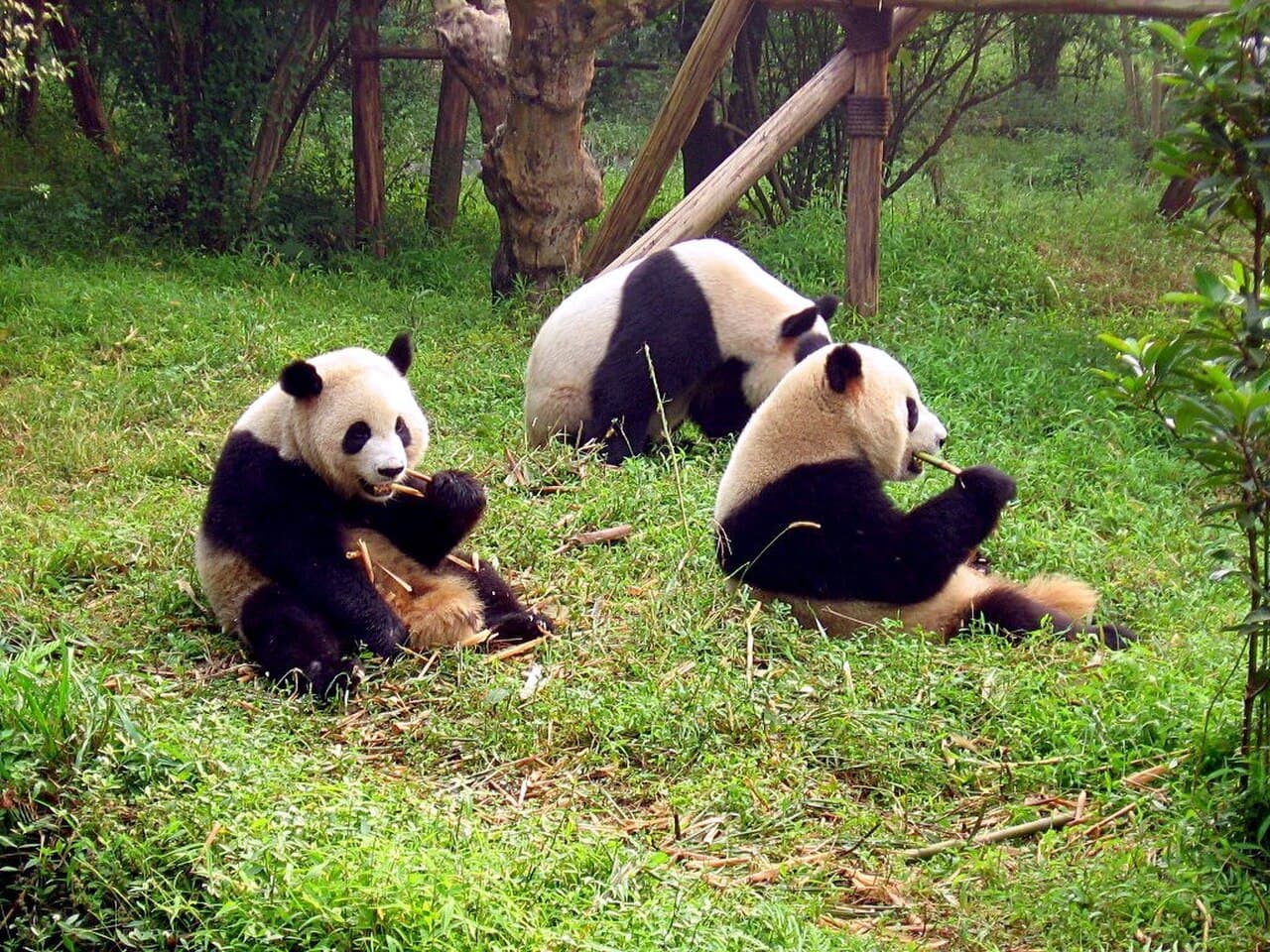
Chengdu is a welcoming choice for travelers who want famous experiences without the constant pressure of a landmark checklist. Giant pandas provide the obvious reason to visit, but the city's lasting appeal comes from Sichuan food, teahouses, green parks, and a social rhythm that rewards sitting down. Three to five days gives you time for an early panda visit, central temples and neighborhoods, several different meals, and either a nearby cultural excursion or an intentionally slow day. The result feels like a place you have inhabited briefly, not merely passed through.
The city offers strong value compared with China's largest coastal centers, and its metro and ride-hailing options make central movement manageable. English support is moderate rather than effortless, so preparation still matters, especially when ordering food or arranging a less central outing. Chengdu suits families, food-focused travelers, and anyone who prefers a lower-intensity city rhythm. It is less suitable for people who dislike spicy flavors or want a dense sequence of world-famous monuments. Its strength is the combination of one iconic attraction and many low-pressure everyday pleasures.
See & do
Landmarks & experiences
Balance a panda-base visit with a teahouse break and Three Kingdoms history.
Suggested time on site. Transfers and queues are extra.
Chengdu Panda Base
Explore a conservation and breeding center devoted to giant pandas and other native species.
3-4 hrOutskirtsChenghua, Panda AvenuePeople's Park teahouses
Pause over a covered cup of tea and watch everyday park life unfold.
1-2 hrCityQingyang, west of Tianfu SquareWuhou Shrine
Visit garden courtyards and memorial halls linked to Zhuge Liang and the Shu kingdom.
1.5-2.5 hrCityWuhou, beside Jinli
Check panda-base entry and enclosure notices; animal activity and visibility are not guaranteed.
Food
Local dishes & food streets
Chili, Sichuan pepper and fermented beans bring both heat and fragrance.
Mapo tofu
Soft tofu in a chili-bean sauce with Sichuan pepper and usually minced meat.
Dan dan noodles
Small bowls of wheat noodles with chili oil, savory minced meat and preserved vegetables.
Twice-cooked pork
Pork is simmered, sliced and stir-fried with bean paste and garlic greens.
Where to eatYulin suits neighborhood meals; around Wenshu Monastery, look for snack shops and tea stops.
Ask about chili and numbing pepper separately. Tofu and vegetable dishes may contain meat, stock or animal fat.
Stay
Neighborhoods & trade-offs
| Area | Why stay here | The trade-off |
|---|---|---|
| Chunxi Road | Central hotels, metro connections and many dining choices simplify cross-city days. | Shopping crowds and traffic make this a busy base. |
| Wenshu Monastery area | Smaller streets, tea stops and local food suit a slower stay near the metro. | Late-night dining and larger hotels are less concentrated than around Chunxi Road. |
Transport
Arrival & getting around
- Getting in
- Tianfu Airport and Shuangliu Airport connect to the metro. Chengdu East Station is another major gateway; verify the exact arrival point.
- Around the city
- Use the metro between districts and short car rides for awkward final connections. The panda base needs its own transfer plan and entrance pin.
Transfer times are not yet verified. Check door-to-door timings for your exact airport, station or day-trip route.
Budget
Rooms, meals & transport
| Expense | What to budget for |
|---|---|
| A room for two | Compare ordinary hotels near Wenshu Monastery with central Chunxi Road rooms; shopping-district hotels can cost more. |
| Meals | Noodle bowls and small Sichuan restaurants offer modest meals; hotpot and many shared dishes increase the bill. |
| Local transport | Metro travel keeps city costs contained. Budget separately for airport journeys and a panda-base transfer. |
Based on two adults sharing a standard double room, three meals and local transport. Admission, intercity travel, airport transfers and personal spending are extra. Check hotel rates for your travel dates before setting a daily budget.
Allow for panda-base and shrine admission, tea service, and any optional Sichuan opera performance.
When to go
Weather & crowds
- Jan
- Feb
- Mar
- Apr
- May
- Jun
- Jul
- Aug
- Sep
- Oct
- Nov
- Dec
March-April and October-November suit park walks, teahouses and outdoor sightseeing.
Summer is humid and rainy; cooler months can be grey. Keep an indoor meal or museum option for wet afternoons.
Essentials
Preparation & local advice
- English & navigation
- Chengdu's airport, metro, major hotels, and panda-focused visitor services are manageable for English speakers, but English becomes less consistent in neighborhood restaurants and smaller attractions. Save destinations in Chinese and use a translation app that can handle menus or short typed questions. Ride-hailing can simplify transfers when a metro route is indirect, provided your pickup point is clear. At hotpot restaurants, communicate spice preference carefully and confirm the broth choice before ordering. A little preparation turns language differences into a normal part of the trip rather than a reason to stay only in international-facing venues.
- Before you go
- Distinguish the Chengdu Panda Base from Panda Valley in Dujiangyan when arranging tickets or transport.
- On the ground
- Choose restaurants with a clear menu and ask about spice before ordering several dishes; mild requests vary between kitchens.
Make time for Chengdu.
3-5 days, at your pace.
A 4-day itinerary
A 4-day Chengdu itinerary
Pandas first, then a gentle city introduction
Make the panda base the first major outing and arrive early enough to give the visit room without racing. Focus on animal welfare, habitat interpretation, and patient observation rather than trying to capture every enclosure. After returning to the center, choose a calm temple, riverside area, or neighborhood walk that does not require another complex transfer. Finish with an approachable Sichuan meal and order gradually. The goal is to adjust to the city while completing the experience most vulnerable to heat, crowds, and changing animal activity.
People's Park, teahouse culture, and central food
Spend part of the morning in People's Park and allow time for tea rather than treating the park as a ten-minute photo stop. Observe how public space is used, then continue to a nearby central district for lunch and a walk. Choose one museum, shrine, or historic lane according to your interests; several commercial old streets offer atmosphere but should not consume the whole day. In the evening, try hotpot with a clear spice plan, keeping plain sides or a milder broth available if your group has mixed tolerance.
Temples, neighborhoods, and Sichuan flavors
Use day three for a deeper look at Chengdu beyond its most famous attractions. Pair a temple or monastery with a slower neighborhood and one focused food experience, such as noodles, dumplings, or a guided tasting. Avoid crossing the city repeatedly; Chengdu's pleasure comes from staying long enough to notice daily life. If you need a break from spice, plan it deliberately rather than skipping meals. A park or teahouse near the final stop creates an easy end and leaves energy for a fourth-day excursion.
A day trip or an unhurried local day
A fourth day can support a carefully researched excursion to nearby heritage or landscape, with current transport and entry details confirmed before departure. If extra logistics do not appeal, stay in Chengdu and use the day for a second park, contemporary neighborhood, market, or cooking-focused activity. This slower option often serves many travelers better than collecting another distant attraction. With a fifth day, keep the same principle: add depth, rest, or a meaningful side trip, and preserve enough time to reach the airport or railway station calmly.
Questions about Chengdu
How many days do I need in Chengdu?
Plan 4 days: visit Chengdu Research Base on Day 1, combine People's Park with a central food walk on Day 2, use Day 3 for temples and neighborhoods, and keep Day 4 for Dujiangyan or a slower teahouse day.
What is the best time to see pandas in Chengdu?
Put Chengdu Research Base first on Day 1 and arrive near opening; allow 4 hours inside, while accepting that the pandas choose their own pace and official entry rules can change.
Can I enjoy Chengdu if I do not eat very spicy food?
Yes: across 4 days, alternate a divided hotpot near Taikoo Li with mapo tofu, sweet-water noodles and tea at People's Park, and show the phrase for low spice before ordering.
Is Chengdu easy for independent travelers?
A 4-day independent stay is manageable around Tianfu Square and Chunxi Road by metro; the Chengdu Research Base transfer and small noodle shops are the 2 places where saved Chinese names help most.
Sources & editorial notes
- Chengdu Panda Base: Brief Introduction
Chenghua address, conservation and breeding role, and distinction from the affiliated Panda Valley in Dujiangyan; not animal sightings or visit duration. Checked 2026-08-31.
- ChinaTravel.tools editorial city dataset
Maintained editorial scoring and practical city-planning notes for travelers.
- GoChengdu — municipal destination guide
Municipal destination material used with the Panda Base source for culture, food and visitor-route context.