What choosing Chongqing changes
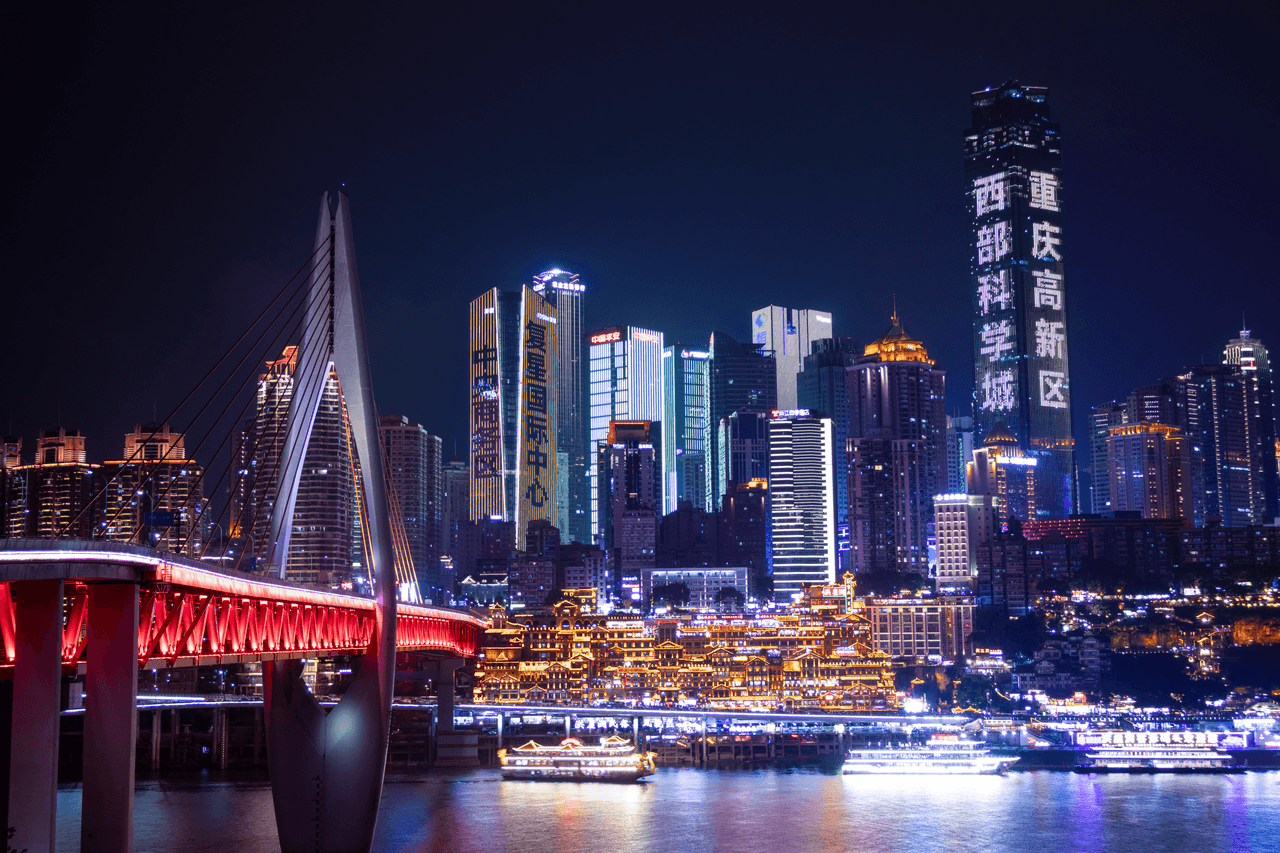
Chongqing is one of the most visually disorienting cities in this collection, and that is a major part of its appeal. Roads pass above other roads, metro stations open onto unexpected levels, towers rise from steep slopes, and the Yangtze and Jialing rivers divide the central landscape. The city offers a dramatic view of contemporary inland China with excellent food value and a strong local identity. Three or four days is enough to experience the layered center, river viewpoints, hotpot culture, and several neighborhoods without turning every staircase into a deadline.
Chongqing demands more preparation than some major hubs. English support is limited outside major hotels and well-known attractions, summer conditions can be demanding, and navigation apps do not always communicate how much elevation lies between two nearby points. Travelers who enjoy urban photography, energetic streets, and learning by doing may find Chongqing unforgettable. Those anxious about language or mobility may prefer Shanghai or Beijing. The key is to plan fewer stops, choose accommodation close to a useful metro station, and accept that getting pleasantly lost can be part of the experience when time and safety allow.
See & do
Landmarks & experiences
Explore the river-facing city in short walks, leaving time for stairs and food stops.
Suggested time on site. Transfers and queues are extra.
Hongya Cave waterfront
View stacked, traditional-style buildings above the Jialing River, especially striking after dark.
1-1.5 hrCityYuzhong, beside Qiansimen BridgeCiqikou Ancient Town
Walk old commercial lanes lined with snack shops, tea stops and local crafts.
1.5-2.5 hrCityShapingba, beside the Jialing RiverChaotianmen river views
Take in the meeting of the Yangtze and Jialing rivers beneath the modern skyline.
1-1.5 hrCityEastern tip of the Yuzhong peninsula
Hongya Cave is a commercial complex, not a natural cave; crowded stairs can slow the route.
Food
Local dishes & food streets
Chili oil and numbing Sichuan pepper define hotpot and everyday noodle bowls.
Chongqing hotpot
Cook meat, offal and vegetables in a shared pot of richly spiced broth.
Chongqing spicy noodles
Wheat noodles mixed with chili, Sichuan pepper and aromatic seasonings.
Hot-and-sour glass noodles
Chewy starch noodles in a sharp vinegar and chili broth, often topped with peanuts.
Where to eatJiefangbei has concentrated snack choices; Guanyinqiao offers a wider evening dining circuit.
A mild hotpot can still be hot and numbing. Ask about beef fat in the broth and peanuts in noodle toppings.
Stay
Neighborhoods & trade-offs
| Area | Why stay here | The trade-off |
|---|---|---|
| Jiefangbei | Convenient for the Yuzhong riverfront, evening views and food streets. | Busy roads, slopes and elevators can make a nearby-looking hotel awkward to reach. |
| Guanyinqiao | A lively dining base with metro access on the north side of the Jialing River. | Hongya Cave and Chaotianmen need a river crossing; nightlife can be noisy. |
Transport
Arrival & getting around
- Getting in
- Jiangbei Airport, Chongqing North and Chongqing West connect to urban rail; check your terminal or station exit.
- Around the city
- Use the metro between districts and cars when hills make walking tiring. A short map distance can hide stairs or several street levels.
Transfer times are not yet verified. Check door-to-door timings for your exact airport, station or day-trip route.
Budget
Rooms, meals & transport
| Expense | What to budget for |
|---|---|
| A room for two | Compare central business hotels with river-view rooms; the view and building access both affect the value. |
| Meals | Noodles are a modest everyday option. Hotpot bills rise with meat, seafood, drinks and extra broth charges. |
| Local transport | Metro journeys are the economical default, but allow for car rides when steep climbs become tiring. |
Based on two adults sharing a standard double room, three meals and local transport. Admission, intercity travel, airport transfers and personal spending are extra. Check hotel rates for your travel dates before setting a daily budget.
River cruises, paid viewpoints and shows are optional additions; compare them with public riverfront walks.
When to go
Weather & crowds
- Jan
- Feb
- Mar
- Apr
- May
- Jun
- Jul
- Aug
- Sep
- Oct
- Nov
- Dec
March-April and October-November are useful targets for hillside walks and evening river views.
Summer heat and humidity can be intense. Fog and rain may obscure distant views in any sightseeing plan.
Essentials
Preparation & local advice
- English & navigation
- Chongqing requires more language preparation than Beijing, Shanghai, or Hangzhou. Major transport signs are structured, but spoken English is uncommon in many restaurants, taxis, and neighborhood businesses. Store your hotel's Chinese address, pin entrances rather than only building names, and use screenshots when network access may be uncertain. Ride-hailing can reduce uphill walks, though pickup levels and road access can still be confusing. In restaurants, translate broth, spice, and ingredient choices before ordering. The city is manageable for independent travelers, but it rewards anyone willing to pause, verify the level, and ask for help through a phone rather than guessing.
- Before you go
- Ask your hotel for its exact street-level entrance and a Chinese pickup pin; a tower address alone may be ambiguous.
- On the ground
- For limited mobility, confirm lift access and step-free routes with each venue; the terrain makes assumptions risky.
Make time for Chongqing.
3-4 days, at your pace.
A 3-day itinerary
A 3-day Chongqing itinerary
Learn the levels of central Chongqing
Begin around the central peninsula with a route that connects one high viewpoint, one street-level commercial area, and one river-facing stop. The purpose is orientation: notice which roads are above you, where escalators or elevators change elevation, and how the rivers shape the skyline. Keep Hongya Cave for later light if crowds and access feel manageable, but view it as one element of the nightscape rather than the whole day. End near your accommodation because navigating multiple levels can take longer than expected.
Transit, neighborhoods, and hotpot
Use the metro deliberately on day two and include a section known for revealing the city's unusual relationship between rail and buildings. Continue through a neighborhood or hillside street where you can observe local movement without chasing viral photo coordinates. Allow time for cafés, small shops, or river views between climbs. Plan hotpot as the evening's central experience: communicate spice preferences, order gradually, and choose a convenient restaurant so the meal remains enjoyable after an active day. A mixed or milder broth is a practical choice, not a failure to experience the city.
River perspectives and a flexible final route
Choose a different side of the rivers or a museum and cultural district for the third day. This changes the perspective from spectacle to context and gives your legs a more balanced schedule. If visibility is good, finish at a planned viewpoint; if weather closes in, focus on food, interiors, and street scenes. Travelers staying a fourth day can add a carefully researched outer district or simply revisit the center at a slower pace. Chongqing becomes more legible with repetition, so a second walk through a familiar area may be more rewarding than another long transfer.
Questions about Chongqing
How many days do I need in Chongqing?
Use 3 days: keep Jiefangbei and Hongya Cave together, give Liziba and the river crossings a second day, then reserve Day 3 for Ciqikou plus an unhurried hotpot meal.
Is Chongqing difficult for independent travelers?
Expect 3 slower days: a map route from Jiefangbei to Hongya Cave can conceal stairs and different street levels, so cap each day at 2 districts and save every entrance in Chinese.
Where should I stay in Chongqing?
For 3 nights, Jiefangbei is the clearest base for the central peninsula; verify the exact metro exit and hotel lobby level before booking because the nearest pin may sit several stairways away.
Do I have to eat very spicy hotpot in Chongqing?
No: schedule 1 hotpot meal near Jiefangbei and order a divided pot or mild broth, then use xiaomian and non-hotpot dishes around Ciqikou for the other 2 days.
Sources & editorial notes
- Chongqing government: Foreign Diplomats Discover Chongqing's Cultural Heritage and Modern Charm
Ciqikou's Shapingba location, crafts and food culture, plus the Yangtze/Jialing setting; not cruise schedules or other attraction operations. Checked 2026-08-31.
- iChongqing: Chongqing Delicacies Take on the World
Local association of hotpot, xiaomian and suanlafen; not individual restaurant quality, recipes or dietary assurances. Checked 2026-08-31.
- ChinaTravel.tools editorial city dataset
Maintained editorial scoring and practical city-planning notes for travelers.
- Chongqing Municipal Government — city and travel overview
Official geography, heritage and mountain-city context used to assess route effort and destination fit.