What choosing Hangzhou changes
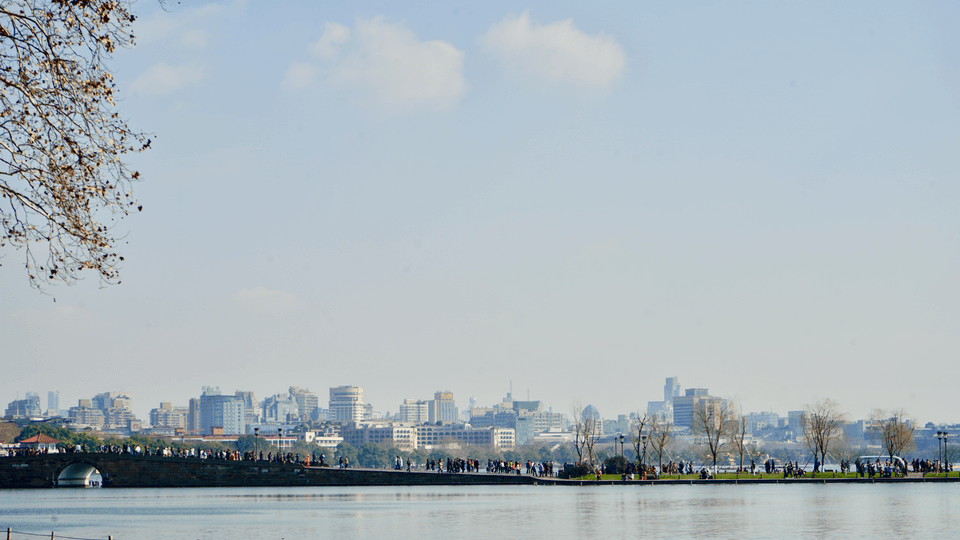
Hangzhou is a scenic, lower-intensity choice, especially when paired with Shanghai. West Lake provides an easy organizing feature: gardens, causeways, viewpoints, temples, and neighborhoods spread around a landscape that can be explored in sections rather than all at once. The city also introduces tea culture and a more reflective pace without giving up modern transport or comfortable visitor services. Two days can show the essentials, but three or four days allows the lake, Lingyin Temple, tea villages, and slower meals to feel like a trip rather than a hurried excursion.
The main challenge is popularity. West Lake can become crowded, particularly on weekends and public holidays, and a plan that attempts a complete circuit plus several distant sights may feel more tiring than the scenery suggests. Hangzhou works best for travelers who enjoy walking, gardens, photography, and pauses. It is less compelling for visitors seeking China's biggest imperial monuments or late-night megacity energy. Use one side of the lake at a time, travel early to major temples or tea areas, and keep enough flexibility to respond to rain, haze, or seasonal crowds.
See & do
Landmarks & experiences
Choose a stretch of West Lake, then head west for temples and tea country.
Suggested time on site. Transfers and queues are extra.
West Lake
Walk causeways and garden paths where pavilions frame the lake and surrounding hills.
2-4 hrCityWest of the city centerLingyin Temple and Feilai Peak
Combine Buddhist temple halls with carved figures in the wooded limestone landscape.
2-3 hrOutskirtsXihu district, west of West LakeLongjing tea village
Walk beside tea fields and pause for locally grown green tea in the hills.
2-3 hrOutskirtsXihu district, southwest of West Lake
The lake estimate covers selected shores. Check current Lingyin access and ask before entering working tea fields.
Food
Local dishes & food streets
Jiangnan cooking pairs gentle seasoning with rich braised pork and freshwater ingredients.
Dongpo braised pork
A soft block of pork belly slowly braised with soy sauce and rice wine.
Longjing tea shrimp
Peeled shrimp cooked with green tea leaves for a delicate, fragrant dish.
Pian'erchuan noodle soup
Noodles with sliced pork, bamboo shoots and preserved greens in savory broth.
Where to eatTry the lanes around Hefang Street for snacks, or Longjing Village for tea and a countryside meal.
Ask the price before ordering tea by the pot or buying loose leaves. Shrimp dishes and pork-based noodle broths need a separate ingredient check.
Stay
Neighborhoods & trade-offs
| Area | Why stay here | The trade-off |
|---|---|---|
| Longxiangqiao | A practical metro base near the eastern lakefront and central restaurants. | The busy east shore is less secluded than photos of the western lake suggest. |
| Huanglong | Useful for the northwest lake area, with conventional hotels and dining choices. | Some hotels sit on large roads; check the actual walk to the lake and metro. |
Transport
Arrival & getting around
- Getting in
- Xiaoshan Airport and Hangzhou East Station connect to the metro; check whether your train instead uses Hangzhou Station.
- Around the city
- Use the metro to reach the center, then walk selected lake sections. Buses or cars help for Lingyin and Longjing; lakeside traffic can slow them.
Transfer times are not yet verified. Check door-to-door timings for your exact airport, station or day-trip route.
Budget
Rooms, meals & transport
| Expense | What to budget for |
|---|---|
| A room for two | Lakefront and tea-village boutique rooms can cost more; compare ordinary hotels near an eastern or northern metro stop. |
| Meals | Noodle shops keep meals modest. Tea service, shrimp and restaurant dishes to share need a larger allowance. |
| Local transport | Metro and walking cover central days; add bus or car journeys into the western hills. |
Based on two adults sharing a standard double room, three meals and local transport. Admission, intercity travel, airport transfers and personal spending are extra. Check hotel rates for your travel dates before setting a daily budget.
Allow separately for boat rides, paid sites and tea purchases. Check current admission arrangements rather than assuming one combined ticket.
When to go
Weather & crowds
- Jan
- Feb
- Mar
- Apr
- May
- Jun
- Jul
- Aug
- Sep
- Oct
- Nov
- Dec
March-April suit fresh tea-season scenery; October-November are useful for cooler lake and hillside walks.
Spring can be rainy, and summer is humid and hot. Weekends can crowd the eastern lakefront even outside holiday periods.
Essentials
Preparation & local advice
- English & navigation
- Hangzhou is relatively manageable for English-speaking travelers in major stations, on the metro, at established hotels, and around leading attractions. Spoken English still varies, particularly in tea villages, small restaurants, and with local drivers. Save Chinese names and exact map pins for temple gates, trail entrances, and your accommodation. Around West Lake, walking, buses, bikes, and ride-hailing may each suit a different segment, so do not assume one transport mode will cover the whole day. A translation app and a clearly planned return point make the quieter outer areas much easier to enjoy.
- Before you go
- Save the return pickup point for tea-village outings; the lakefront, temple area and village roads are separate destinations.
- On the ground
- Tea fields are working farms, and temples are active religious spaces. Stay on permitted paths and follow local photography signs.
Make time for Hangzhou.
2-4 days, at your pace.
A 3-day itinerary
A 3-day Hangzhou itinerary
West Lake from changing perspectives
Begin with one lakeside section and move slowly enough to understand the landscape. Combine a causeway or garden with a boat or elevated viewpoint only if conditions and energy suit, rather than trying to complete every shore. Break for tea or lunch away from the busiest promenade, then return for softer late-day light. The lake is the main experience, not empty space between attractions. By choosing a focused route, you leave time to watch local park life, notice seasonal planting, and adapt when a popular path is more crowded than expected.
Lingyin Temple and the wooded west
Visit the Lingyin area earlier and give both the temple setting and surrounding landscape enough attention. Respect active religious spaces, follow current access guidance, and avoid squeezing the stop between distant lake attractions. Later, explore a quieter western lakeside path or return toward the center for a museum and meal. This day balances architecture, belief, and nature while reducing unnecessary transfers. If rain arrives, the wooded setting can remain atmospheric, but use shoes suitable for wet stone and keep a simpler indoor alternative available.
Longjing tea country and a slower farewell
Use day three for the tea landscape around Longjing or another carefully selected village area. Go for the relationship between hills, cultivation, and tea culture rather than for aggressive shopping. Confirm your route and return transport before leaving the center, and be thoughtful when entering working rural spaces. Back in Hangzhou, finish with a neighborhood meal or a final short lake walk. A fourth day can add wetlands, museums, or complete rest; it should preserve Hangzhou's calm rhythm rather than turning the city into a list of peripheral excursions.
Questions about Hangzhou
How many days do I need in Hangzhou?
Allocate 3 days: walk one side of West Lake on Day 1, visit Lingyin Temple on Day 2, and use Day 3 for Longjing tea country or the quieter southern lake shore.
Can I visit Hangzhou as a day trip from Shanghai?
A 1-day trip from Shanghai can cover part of West Lake, but 2 nights let you see Lingyin Temple before the busiest period and walk the lake after the day-trip crowds leave.
Is Hangzhou English friendly?
Hangzhou East station, the metro and West Lake signs are manageable in English; on a 3-day plan, save the Chinese address for Longjing village and the exact return stop before leaving the urban network.
What is the best area to stay in Hangzhou?
For 3 nights, Longxiangqiao gives immediate West Lake access; Huanglong is quieter for the northwest shore but adds a separate trip to Hangzhou East station.
Sources & editorial notes
- UNESCO: West Lake Cultural Landscape of Hangzhou
West Lake's causeways, islands, gardens and surrounding hills, and their cultural significance; not temple entry, tea sales or travel costs. Checked 2026-08-31.
- ChinaTravel.tools editorial city dataset
Maintained editorial scoring and practical city-planning notes for travelers.
- Hangzhou Municipal Government — leisure and travel portal
Official attraction, tea, cuisine and transport navigation used alongside UNESCO's West Lake record.